
Impact in Action
The Rose City Sigmas Foundation measures impact through leadership development, community engagement, and long-term outcomes. Below are highlights from our ongoing work in Altadena and surrounding communities.
Mentorship roots since 2007
〰️
Foundation established 2025
〰️
5 Community initiatives launched
〰️
40 Alumni advancement milestones
〰️
Mentorship roots since 2007 〰️ Foundation established 2025 〰️ 5 Community initiatives launched 〰️ 40 Alumni advancement milestones 〰️
Developing Leaders Through Intervention
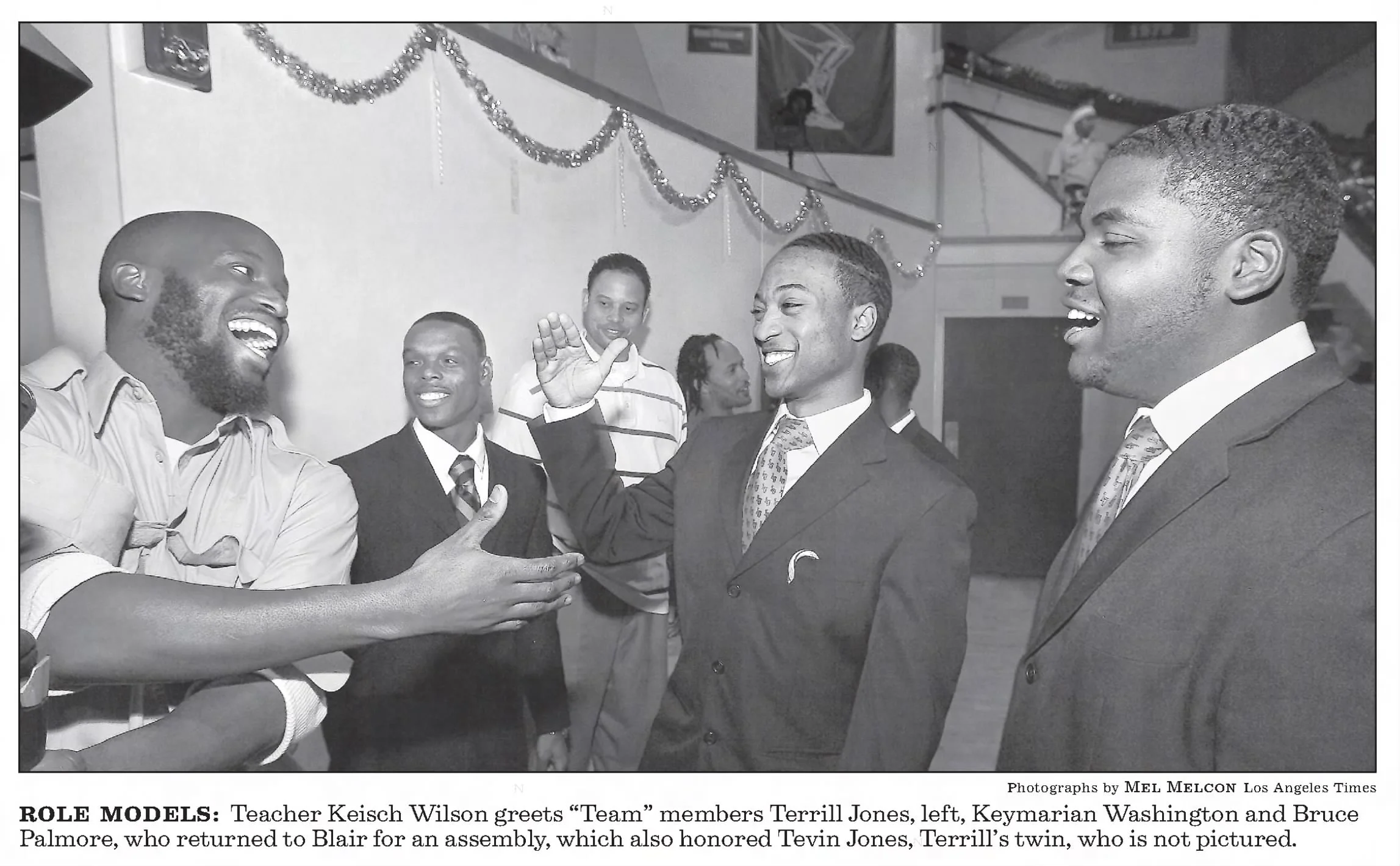
Left to rightKeisch Wilson, an information tech instructor at Blair High School in Pasadena, congratulates alumni members Terrill Jones, 18, Keymarin Washington, 18, and Bruce Palmore, 18, who just completed their first semester at Langston University, a small historically black college in Oklahoma. They were honored during the annual Holiday Assembly in the school gym on December 14, 2009. Not picured is Tevin Jones, Terrill 's twin brother, who was also one of the honorees. (Photo by Mel Melcon/Los Angeles Times via Getty Images)
From Academic Drift to Program-Building and Peer Accountability
By his sophomore year at Blair International Baccalaureate Magnet High School in Pasadena, Bruce Palmore IV was not on a clear path toward graduation. His grades were low, his motivation was inconsistent, and his father was concerned that he might not complete high school, much less attend college.
That trajectory began to change after an introduction to Phi Beta Sigma Fraternity, Inc.
After attending a fraternity event with his father, Palmore became interested in Sigma Beta, the organization’s youth mentorship program. He did not stop at curiosity. He wanted to bring that structure to Blair High School. With the support of teacher Keisch Wilson, whom he asked to serve as an on-campus advisor, Palmore helped establish the Sigma Beta Club at the school and began recruiting other young men into the program.
What took shape was more than a student club. It became a structured environment centered on accountability, service, brotherhood, and academic focus.
The impact was visible.
Within months, Palmore’s father observed a marked change in both behavior and mindset. By his senior year, Palmore had raised his academic performance to a 3.7 grade-point average.
As the Sigma Beta Club developed, its influence extended beyond individual improvement. Members attended college fairs, visited campuses, participated in community service projects, and formed a strong culture of mutual accountability. Over time, that structure evolved into a tight peer network that reinforced academic expectations and long-term planning.
Palmore, along with Tevin Jones, Terrill Jones, and Keymarian Washington, made a collective commitment: they would graduate and attend college together, maintaining the same support system that had helped them succeed in high school.
Their story was later documented by the Los Angeles Times, which highlighted their academic turnaround and their shared commitment to higher education. On the Langston University campus, the group came to be known as “The Team,” a name given by university president JoAnn W. Haysbert in recognition of their uncommon bond and collective purpose.
Following graduation from Blair, the young men enrolled at Langston University in Langston, Oklahoma, where they continued supporting one another through the transition to college. For several of them, it represented first-generation college attendance.
The model remained consistent. Academic expectations were reinforced collectively. Motivation was sustained through peer accountability. The structure first built in high school continued into early adulthood.
Palmore’s experience reflects a critical dimension of youth development work: not only participation in mentorship, but the capacity to help build and sustain it among peers.
That distinction matters.
Programs are most effective when they create environments in which young men do not rely solely on external guidance, but begin to hold one another accountable and contribute to a culture of progress themselves. That shift, from participant to initiator, is one of the clearest indicators of lasting impact.
The Rose City Sigmas Foundation supports mentorship programs designed to create that type of environment. Through structured leadership development, academic support, and exposure to postsecondary pathways, young men are equipped not only to improve their own outcomes, but to influence those around them.
Palmore’s trajectory reflects that transition.
From a student at risk of falling off track to a young man who helped establish a mentorship structure, improved his academic performance, and carried that accountability into college, his experience demonstrates how early intervention, paired with initiative and sustained support, can alter long-term direction.
He is one example among many.
Sustaining environments where this level of growth is possible requires continued investment in mentorship, leadership development, and scholarship access. The Foundation exists to ensure that future cohorts have the same opportunity to build structure, accountability, and shared success.
Related Coverage
Los Angeles Times — Blair students recognized for academic turnaround and college commitment
Los Angeles Sentinel — Langston University cohort continuing a shared accountability model
VoyageLA — Bruce Palmore on entrepreneurship and professional development
Developing Leaders Who Serve
Youth Formation and Community Impact in Practice
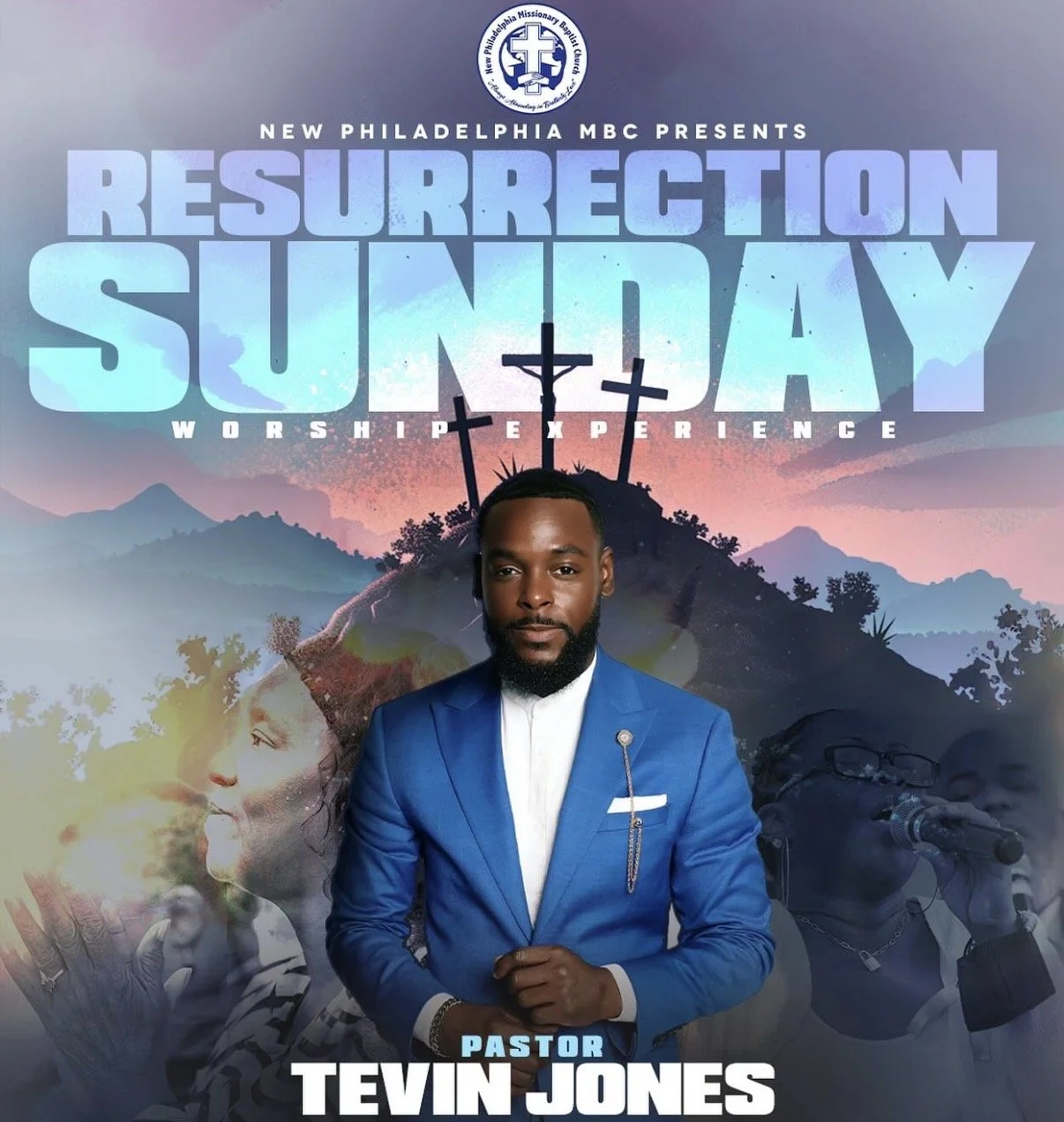
In 2007, Tevin Jones joined the Sigma Beta Club as a student at Blair IB Magnet High School in Pasadena. At the time, the program operated through the consistent commitment of advisors who provided structured mentorship focused on academic accountability, leadership exposure, and organized service.
The emphasis was clear, develop young men prepared to lead responsibly in adulthood.
Jones participated in that structured environment during formative years when expectations were reinforced consistently and leadership was practiced, not simply discussed.
After graduating from Blair IB Magnet High School, he continued his education at Langston University in Langston, Oklahoma. During his time there, he further developed his leadership capacity and became a member of Phi Beta Sigma Fraternity, Inc., joining a collegiate organization centered on scholarship, service, and brotherhood.
Today, Pastor Jones serves at New Philadelphia Missionary Baptist Church in Los Angeles, California. In his pastoral role, he provides spiritual guidance, organizational leadership, and community engagement within a congregation that serves families across the region. Leadership in this setting requires sustained commitment, public accountability, and the ability to guide individuals through both celebration and hardship.
His trajectory reflects a pattern that has repeated across multiple alumni since the program’s early years: structured mentorship in adolescence followed by leadership exercised within community institutions.
The Rose City Sigmas Foundation was established to ensure that this type of youth development work, which began in 2007, remains consistent and accessible for future cohorts. The Foundation supports mentorship programming, leadership development initiatives, and scholarship pathways designed to strengthen long-term outcomes for young men.
Jones’ work in ministry represents one expression of that broader formation. He is one example among many whose professional and community roles reflect the lasting impact of structured mentorship applied over time.
Maintaining that structure for the next generation requires sustained support for organized mentorship, leadership training, and scholarship access. The Foundation exists to ensure that young men today are afforded the same disciplined formation that has shaped leaders across diverse fields.
Developing Leaders Who Return
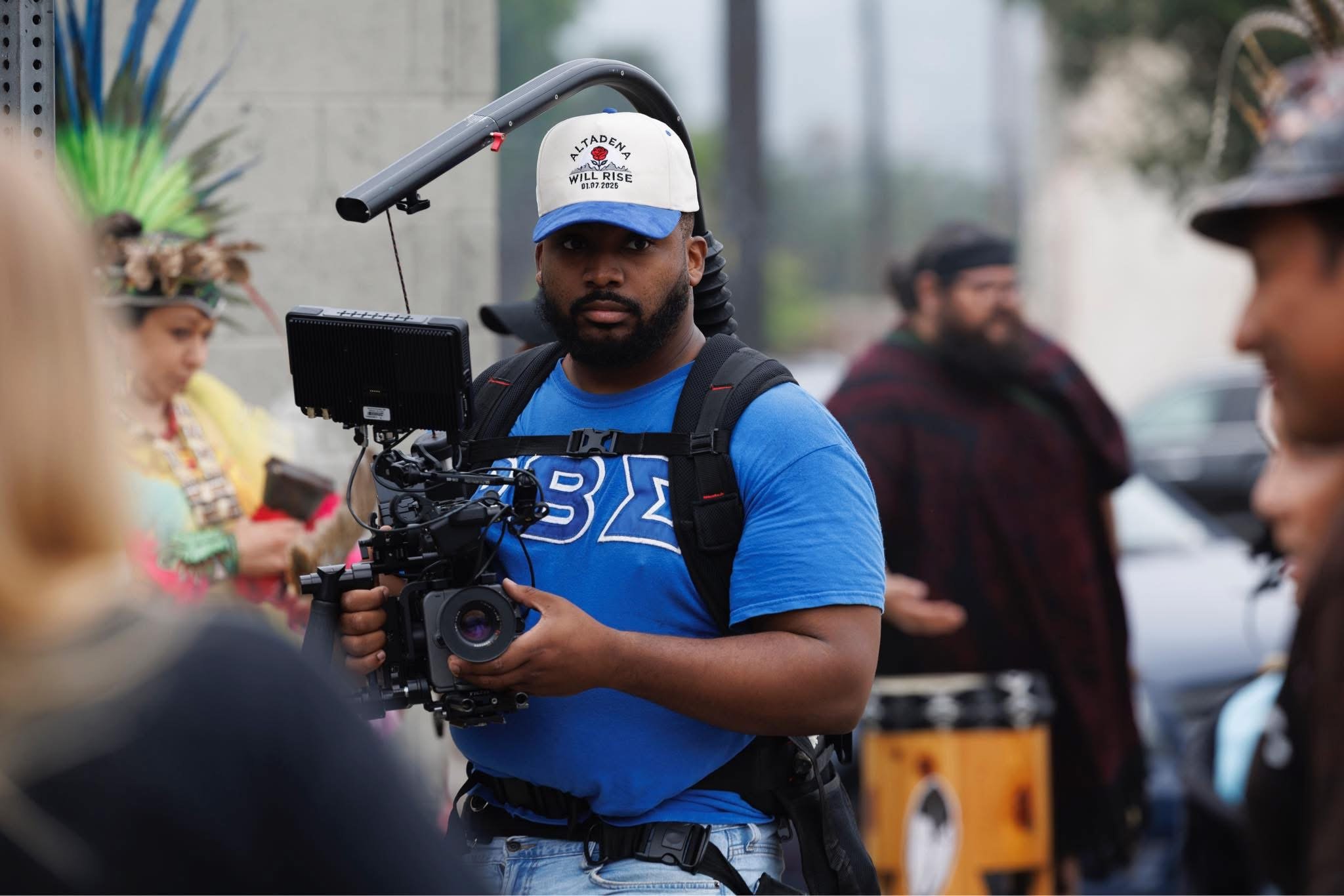
When When the Sky Turned Orange premiered in Los Angeles, it marked a significant milestone for director Brandon “B.P.” Edwards. Produced in collaboration with ColorCreative and supported by the Michael Jordan Brand’s Black Community Commitment, the documentary brought national attention to a story rooted in community impact and resilience.
For those who have known Edwards since his early years in Pasadena, the premiere represented more than professional success. It reflected the continuation of a much longer arc.
Edwards joined the Sigma Beta Club as a teenager in the late 2000s while attending Blair IB Magnet. At the time, the program operated without formal institutional funding. Advisors personally invested their time and resources to create a structured environment grounded in accountability, academic progress, leadership development, and service.
The aim was not to produce filmmakers or public figures. It was to cultivate discipline, confidence, and responsibility in young men navigating formative years.
That early formation proved durable.
Edwards went on to earn a Bachelor of Science in Computer Science from Langston University and later completed a Master of Science in Higher Education Administration from East Texas A&M University. His professional career has included senior leadership roles within university settings, serving in Assistant Director positions focused on student engagement and fraternity and sorority life. In those capacities, he worked within governance systems, leadership training frameworks, and large student organization communities, helping to shape environments where other students could develop.
Alongside his institutional leadership work, Edwards built a career in visual storytelling. His portfolio includes collaborations with HOORAE, Amazon Prime Video, Walmart, and Forbes. He was selected as one of four cinematographers for Issa Rae’s inaugural ColorCreative Find Your People Program and later served as a Director/Producer in the Black & Unlimited Digital Development Program. His recent directorial work reflects both technical discipline and a continued commitment to community-centered narratives.
Today, Edwards serves as President of the Rose City Sigmas chapter, returning to lead within the same community structure that once supported him.
His path illustrates a pattern seen across multiple alumni of the program: early exposure to structured mentorship, sustained academic advancement, professional leadership development, and eventual reinvestment into the community.
The Rose City Sigmas Foundation was established to ensure that this long-term development is not dependent on personal sacrifice alone. What began years ago through the commitment of individual advisors now requires institutional support to remain consistent, accessible, and scalable for the next generation.
Edwards’ achievements stand independently as the result of his discipline and effort. They also reflect the cumulative effect of expectations, accountability, and opportunity applied over time.
He is one example among many.
Sustaining this work requires long-term commitment — the kind that allows mentorship to remain consistent, leadership development to remain rigorous, and scholarship pathways to remain accessible.
The Rose City Sigmas Foundation exists to preserve and strengthen that continuum. Those who value disciplined mentorship and measurable community impact are invited to participate in its continuation.